AC Installation for Commercial Building Buildings
Specialized ac installation for Commercial Building buildings in NYC.
Specialized ac installation for Commercial Building buildings in NYC.
Commercial buildings in New York City encompass a wide range of structures, from small retail storefronts and restaurants to multi-story office towers and mixed-use developments. These properties rely on robust HVAC systems to maintain comfortable environments for employees, customers, and tenants while meeting stringent NYC building codes and energy regulations. Commercial HVAC systems are significantly more complex than residential systems, often incorporating rooftop units (RTUs), variable air volume (VAV) systems, chilled water plants, and sophisticated building automation for centralized control. Energy efficiency is a primary concern for commercial property owners, particularly in light of Local Law 97, which imposes carbon emission limits with substantial financial penalties for non-compliance. Proper ventilation is critical in commercial settings, especially for restaurants, healthcare facilities, and office spaces where indoor air quality directly impacts occupant health and productivity. Our commercial HVAC division provides comprehensive design, installation, maintenance, and repair services tailored to the unique demands of New York City's diverse commercial landscape, ensuring code compliance, energy efficiency, and optimal occupant comfort.
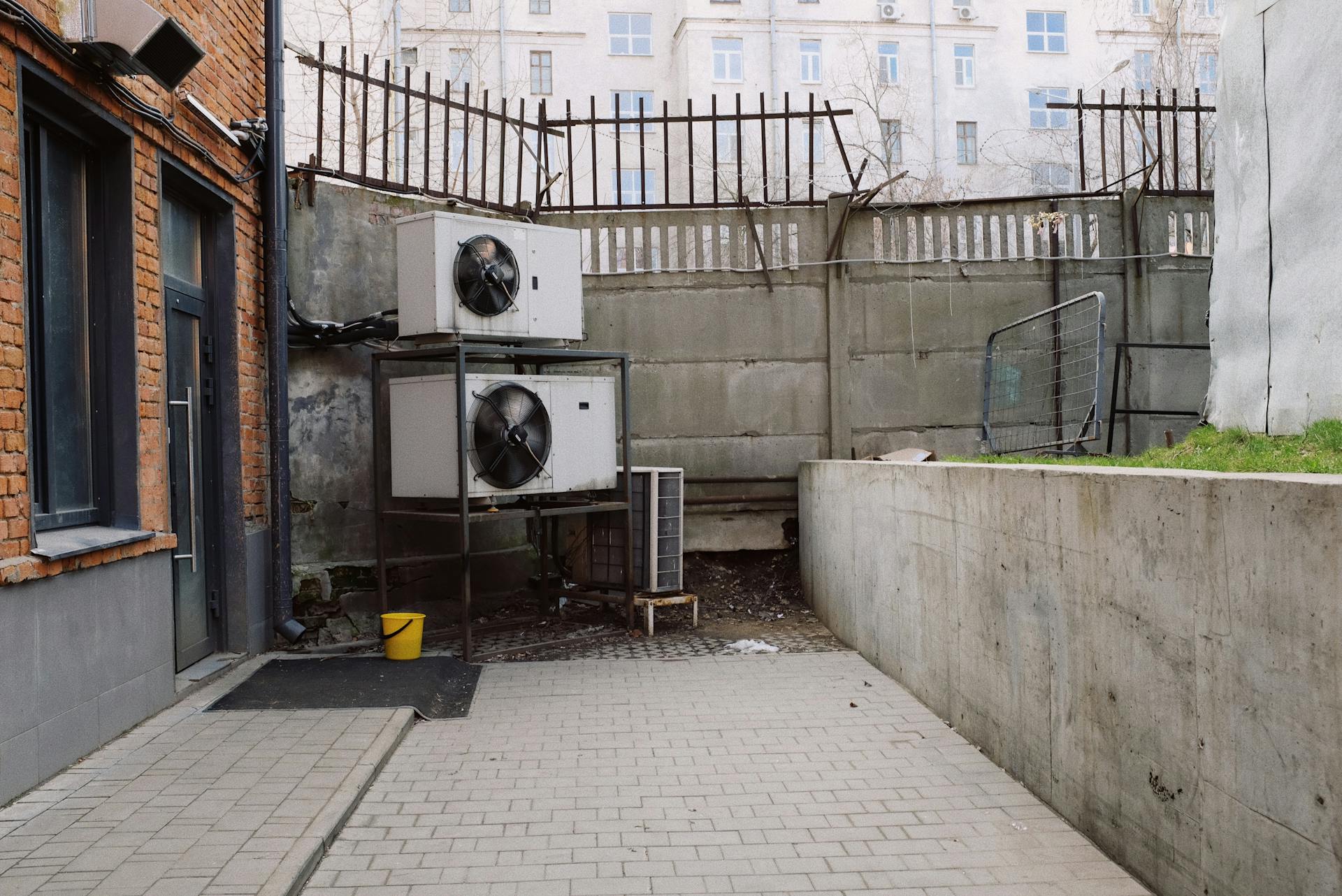
When it comes to ac installation in commercial building buildings, our technicians bring specialized expertise. Commercial AC installations involve rooftop units, VRF systems, or chilled water systems. NYC energy code compliance (Local Law 97) and commissioning requirements add planning steps.
In-home assessment and Manual J load calculation to determine proper system size
Review building rules, obtain necessary DOB permits, and coordinate with building management
Professional installation by licensed NYC HVAC technicians with full code compliance
System testing, refrigerant charge verification, and airflow balancing
Walkthrough of system operation, maintenance schedule, and warranty registration
Several issues can cause an AC to run without cooling effectively. Common causes include low refrigerant due to a leak, a dirty or frozen evaporator coil, a clogged air filter restricting airflow, a faulty compressor, or a malfunctioning thermostat. Start by checking and replacing your air filter. If that does not solve the problem, you should call a technician to diagnose the issue.
In NYC, where dust and pollutant levels tend to be higher than suburban areas, we recommend checking your AC filter monthly and replacing it every 1-3 months during the cooling season. Homes near construction sites, busy roads, or with pets may need more frequent replacement. A clean filter improves efficiency, airflow, and indoor air quality.
The current federal minimum is 14 SEER2 for split systems in the northern region. For NYC, we typically recommend 16 SEER2 or higher for the best balance of efficiency and cost. Higher SEER ratings (18-26+) provide greater energy savings but cost more upfront. The right choice depends on your budget, how much you use AC, and available utility rebates for high-efficiency units.
Yes, but it requires creative solutions since most brownstones lack existing ductwork. Options include ductless mini-split systems (most popular for brownstones), high-velocity small-duct systems like SpacePak or Unico that fit in narrow wall cavities, and in some cases, traditional ductwork run through closets or bulkheads during a renovation. Each option has trade-offs in terms of cost, aesthetics, and performance.
A musty or moldy smell when starting your AC usually indicates mold or mildew growth on the evaporator coil or in the condensate drain pan, which is common in NYC's humid climate. A burning smell could indicate an electrical issue or a motor problem. A chemical smell might suggest a refrigerant leak. If you notice any persistent odor, have your system inspected to identify and resolve the source.
As a general rule, if your AC is more than 12-15 years old and the repair cost exceeds 50% of the price of a new system, replacement is usually the better investment. Also consider that new systems are significantly more efficient — replacing a 10 SEER unit with a 16 SEER unit can reduce your cooling energy costs by nearly 40%. We can provide a cost comparison to help you decide.
Central AC installation costs in NYC vary widely based on the system type, building configuration, and complexity of the installation. A ductless mini-split system for a typical apartment might range from $3,500 to $8,000 for a single zone. A multi-zone mini-split for a brownstone can range from $12,000 to $25,000. Central AC with ductwork in a home with existing ducts might cost $8,000 to $15,000. Custom installations in buildings without ductwork will be at the higher end.
AC freeze-ups are typically caused by restricted airflow (dirty filter, blocked vents, or a failing blower motor), low refrigerant charge from a leak, or running the AC when outdoor temperatures are too low. When ice forms on the evaporator coil, it blocks airflow further and the system cannot cool. Turn off the AC and let it thaw completely before running it again, and call a technician to diagnose the root cause.
For most NYC apartments, ductless mini-split systems offer the best combination of efficiency, quiet operation, and ease of installation. They do not require ductwork, provide both heating and cooling, and are far more efficient and quieter than window units. PTAC replacements are another option for buildings with existing PTAC sleeves. The best choice depends on your specific building, budget, and whether you own or rent.
AC electricity usage depends on the system type, size, efficiency rating, and usage hours. A typical window unit uses about 500-1,500 watts, while a central AC system uses 2,000-5,000 watts. In NYC, where Con Edison rates are among the highest in the country, running a mid-size window unit for 8 hours daily can cost $50-100 per month. Mini-split systems typically use 30-50% less electricity than window units for the same cooling output.
Fill out the form below and we'll get back to you within 1 hour during business hours.