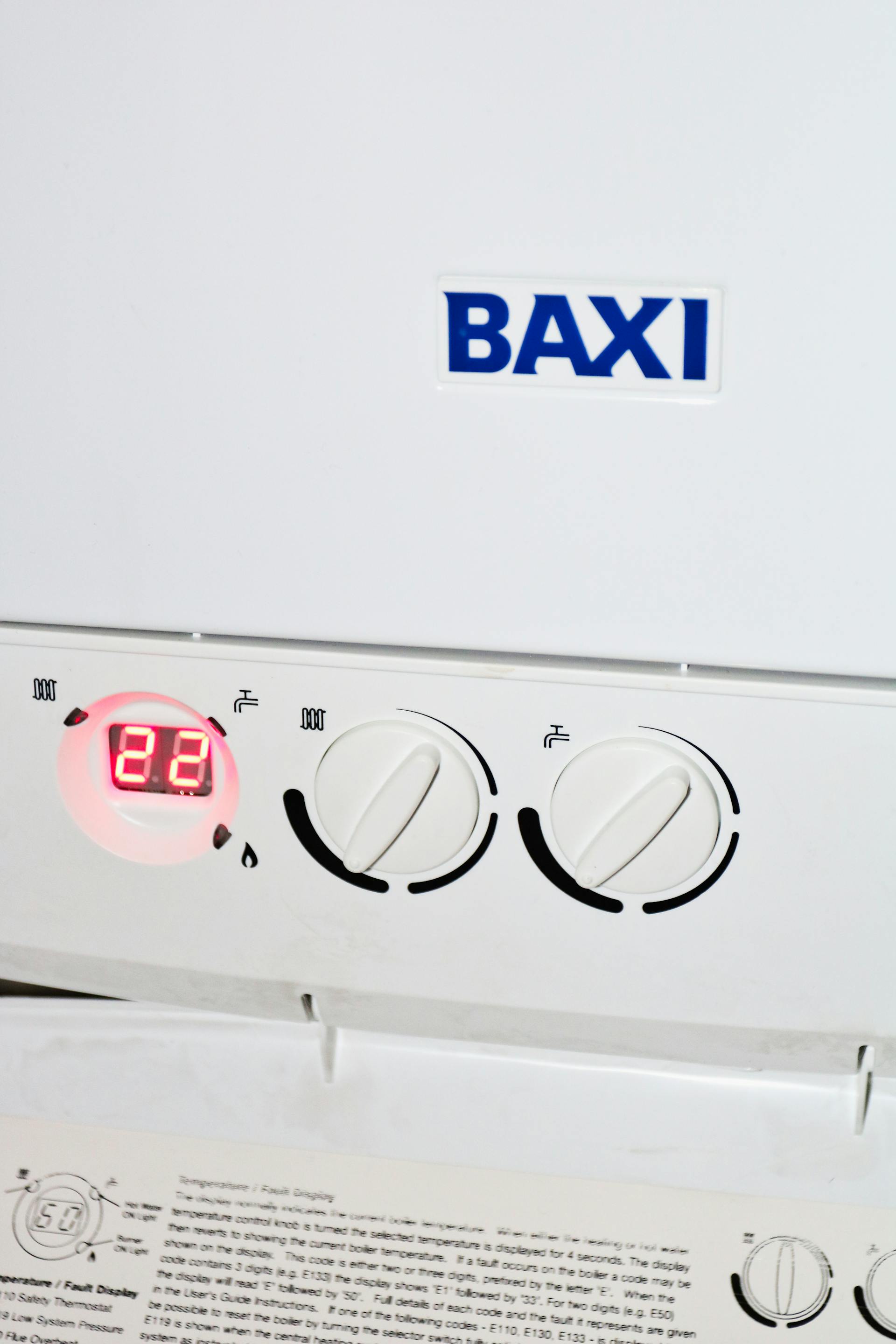
Boiler Repair in Chelsea
Licensed HVAC technicians serving Chelsea, Manhattan. Same-day service available.
Licensed HVAC technicians serving Chelsea, Manhattan. Same-day service available.
Boiler problems in New York City affect entire buildings, not just individual apartments. When a building's boiler goes down in January, every resident loses heat simultaneously, and NYC law requires that heat be restored as quickly as possible. The city's 311 heat complaint hotline becomes one of the most called numbers during winter, and landlords face significant fines from HPD for failing to provide adequate heat. Boiler repair in NYC demands technicians who understand the full spectrum of systems found across the city's building stock. Steam boilers—both one-pipe and two-pipe configurations—heat tens of thousands of pre-war buildings and come with their own set of common failures: pressuretrol malfunctions that let pressure build too high, low-water cutoff failures that create dangerous conditions, scaling and sediment buildup that reduces heat transfer, and burner problems that cause ignition failures or incomplete combustion. Hot water boilers present different challenges including circulator pump failures, expansion tank issues, zone valve malfunctions, and air locks in the distribution piping. Modern condensing boilers can experience condensate drain freezing, which triggers safety shutdowns during the coldest weather. Our technicians arrive with diagnostic tools and the most commonly needed replacement parts to resolve boiler problems in a single visit whenever possible. For larger commercial systems, we have the expertise to troubleshoot building management system integration issues, modulating burner controls, and multi-boiler staging sequences. Every repair includes a combustion analysis and carbon monoxide check to verify safe operation before we leave.
In Chelsea, Manhattan, our HVAC technicians are experienced with the area's Converted industrial lofts, brownstones, walk-ups, modern luxury condos, gallery spaces. Chelsea buildings feature everything from small residential boilers in brownstones to large commercial units in converted loft buildings. We service and repair all types, with particular expertise in the oversized systems needed to heat Chelsea's cavernous loft spaces.
Typical buildings: Converted industrial lofts, brownstones, walk-ups, modern luxury condos, gallery spaces
Chelsea buildings feature everything from small residential boilers in brownstones to large commercial units in converted loft buildings. We service and repair all types, with particular expertise in the oversized systems needed to heat Chelsea's cavernous loft spaces.
Chelsea Historic District covers several blocks. Loft conversions often require DOB sign-off on HVAC modifications. High Line adjacency may trigger additional review.
Emergency or scheduled dispatch with fast response during heating season
Comprehensive boiler diagnostic including combustion analysis and safety testing
Clear diagnosis with upfront repair pricing and explanation of the problem
Professional repair with quality parts and proper adjustments
Post-repair testing, CO verification, and recommendations for preventing recurrence
Boiler Repair in Chelsea typically costs $240 - $960. As a premium neighborhood, HVAC service costs here tend to be slightly above the NYC average due to building complexity and access requirements. Get a free estimate for your specific situation.
"Our building's boiler died on the coldest night of the year and these guys had a technician at our door within an hour. He diagnosed the problem, had the part on his truck, and had us back up and running before midnight. Saved our entire building from a miserable night."
"Our commercial building on West 34th Street needed a complete rooftop unit replacement. They handled the engineering, DOB permits, crane logistics, and installation over a weekend to minimize tenant disruption. The new units are running great and our energy costs have dropped noticeably. Truly professional commercial HVAC work."
"The steam radiators in our Upper West Side co-op were banging so loudly at night that we could not sleep. The technician replaced all the air vents, adjusted the radiator pitch, and repaired a couple of steam traps. It has been quiet ever since. He clearly knew steam systems inside and out."
NYC boilers should be professionally serviced at least once per year, ideally before the heating season begins in October. This annual service is also required to maintain compliance with NYC DOB boiler inspection requirements. The service should include cleaning the burner, checking combustion efficiency, testing all safety controls, inspecting the heat exchanger, and checking water levels and pressure.
A steam boiler heats water until it becomes steam, which rises through pipes to radiators by its own pressure. A hot water boiler heats water and uses circulator pumps to push it through pipes to radiators or baseboard units. Hot water systems are generally more efficient and easier to control, but many older NYC buildings use steam systems that are still functional and effective when properly maintained.
Pressure loss in a hot water boiler system is almost always caused by a water leak somewhere in the system. Common leak locations include radiator valves, pipe joints, the expansion tank, the pressure relief valve, and the boiler itself. A small amount of pressure fluctuation is normal, but if you need to add water frequently, you have a leak that should be found and repaired. Running a boiler with chronically low pressure can damage the equipment.
Residential boiler replacement in NYC typically costs between $6,000 and $15,000 for a standard efficiency unit, and $8,000 to $20,000 for a high-efficiency condensing boiler. Costs vary based on the boiler size, type, brand, complexity of installation, and whether piping or venting modifications are needed. Commercial boiler replacement costs significantly more depending on the capacity required.
Boiler sizing requires a professional heat loss calculation that considers the building's square footage, insulation levels, window area and type, number of units, hot water demand, and the outdoor design temperature for NYC. Oversizing wastes energy through short cycling, while undersizing leaves the building cold on the coldest days. We perform detailed calculations to recommend the right size for your specific building.
Frequent cycling (short cycling) means the boiler turns on and off more often than it should. Common causes include an oversized boiler, a faulty thermostat or aquastat, a malfunctioning circulator pump, airlock in the system, or a problem with the boiler's internal controls. Short cycling wastes energy, increases wear on the equipment, and often means the building is not being heated effectively.
Condensing boilers achieve efficiency ratings of 90-98%, compared to 80-85% for standard boilers. For a typical NYC building spending $3,000-5,000 per year on heating fuel, the efficiency upgrade can save $500-900 annually. The extra cost of a condensing boiler ($2,000-5,000 more than standard) is typically recovered within 3-7 years through fuel savings, and available rebates can shorten that payback further.
Contact a qualified HVAC contractor immediately to review the inspection report and understand what deficiencies were found. Common failure reasons include expired safety controls, improper venting, code violations in the boiler room, and equipment in poor condition. We can address the deficiencies, make necessary repairs, and prepare the boiler for re-inspection. Do not delay, as operating a boiler with outstanding inspection failures can result in significant DOB violations.
Converting from steam to hot water is technically possible but is a major project that involves replacing the boiler, adding circulator pumps, modifying piping, replacing radiators or adding converters, and installing an expansion tank. The cost can be substantial ($30,000-100,000+ for a typical multi-family building), but the benefits include better temperature control, higher efficiency, and quieter operation. A professional evaluation can determine if conversion makes sense for your building.
Signs of a cracked heat exchanger include visible water leaking from the boiler, a drop in system pressure without an obvious external leak, soot or carbon deposits around the heat exchanger, carbon monoxide detector alarms, and a yellow or flickering burner flame. A cracked heat exchanger is a serious safety concern because it can allow combustion gases including carbon monoxide to enter the living space. If you suspect a cracked heat exchanger, call for service immediately.
Fill out the form below and we'll get back to you within 1 hour during business hours.