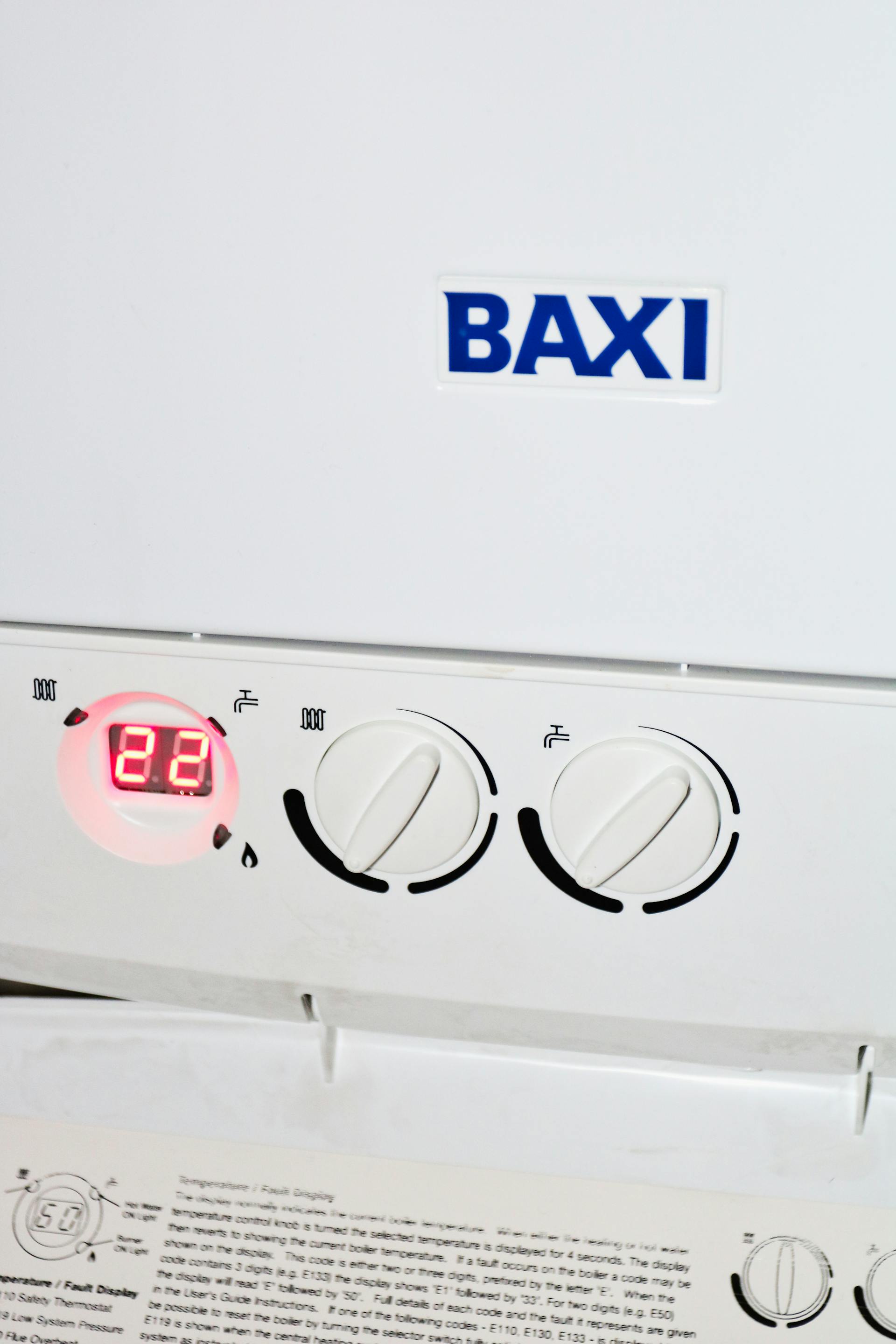
Furnace Installation in New York City
Efficient forced-air heating for your NYC property
Efficient forced-air heating for your NYC property
While boilers dominate NYC's older building stock, furnaces are a practical and increasingly popular heating option for brownstones, single-family homes, newer townhouses, and commercial spaces that already have or can accommodate ductwork. Furnace installation in New York City requires careful consideration of factors unique to the urban environment. Space is always at a premium—furnaces and their associated ductwork must fit within tight mechanical closets, basements, or attic spaces without encroaching on usable living area. NYC building code governs furnace installations including combustion air requirements, venting specifications, and clearances from combustible materials, and all gas furnace installations require DOB permits and inspections. Modern high-efficiency furnaces have changed the calculation for many NYC homeowners. Condensing furnaces achieve 96 to 98 percent AFUE ratings and can vent through a simple PVC pipe through an exterior wall, eliminating the need for a traditional chimney. This makes furnace installation viable in buildings where chimney access is limited or where the existing chimney is in poor condition. Two-stage and variable-speed furnaces provide more consistent temperatures and quieter operation—an important consideration in NYC homes where bedrooms may be close to mechanical spaces. For brownstone owners renovating floor by floor, installing a furnace with zoned ductwork provides the individual floor control that radiator systems struggle to deliver. Our team evaluates your building's layout, existing infrastructure, and heating needs to recommend the right furnace and duct design, then handles every step from permit filing through final inspection and commissioning.
Evaluate heating needs, available space, and ductwork options with a heat loss calculation
Recommend furnace model, design duct layout, and provide detailed estimate
File DOB permits and coordinate installation schedule with building or homeowner
Install furnace, ductwork, gas line, venting, and thermostat per NYC code
Commission system, verify performance and safety, and coordinate DOB inspection
Typical cost for Furnace Installation in NYC: $3,000 - $8,000. Actual cost depends on your building type, system size, and complexity. Get a free estimate for your specific situation.
Pre war apartment: Furnace installation in pre-war apartments is rare due to the lack of ductwork and shared building heating systems. Where individual heating is needed, ductless options are usually more practical.
High rise condo: Furnaces are uncommon in high-rises due to space and venting constraints. Ductless heat pumps or fan coil systems are typically better suited to high-rise living.
Brownstone: Brownstones are ideal candidates for furnace installation, especially during renovations. Ductwork can be routed through closets and soffits, and zoned systems provide floor-by-floor temperature control.
Commercial building: Commercial furnace installations serve smaller retail and office spaces. Rooftop gas packs combine furnace and AC functions and are common in NYC's low-rise commercial buildings.
"They installed a Lennox furnace in our Tottenville home and it has been running like a dream. The 96% efficiency really shows on our gas bills. The two-stage operation keeps the temperature incredibly even — no more hot and cold cycles like the old single-stage unit. Professional installation from start to finish."
A well-maintained gas furnace in NYC typically lasts 15-25 years. Factors that affect lifespan include maintenance frequency, usage intensity, installation quality, and the local environment. Furnaces in NYC that run heavily during long, cold winters may have shorter lifespans than those in milder climates. Regular annual maintenance is the single most important thing you can do to maximize your furnace's service life.
A furnace blowing cold air can be caused by a thermostat set to FAN ON instead of AUTO (which circulates unheated air between heating cycles), a dirty air filter restricting airflow and triggering the high-limit safety switch, a faulty igniter or flame sensor preventing the burner from staying lit, a malfunctioning gas valve, or a problem with the control board. Check the thermostat setting and air filter first, then call for service if the problem persists.
AFUE (Annual Fuel Utilization Efficiency) measures how efficiently a furnace converts fuel to heat. The current federal minimum is 80% AFUE, but we recommend 90% or higher for NYC installations. High-efficiency condensing furnaces achieve 95-98% AFUE, meaning virtually all the fuel you pay for is converted to heat. The higher upfront cost of a condensing furnace is typically recovered within 5-8 years through lower gas bills.
Warning signs include a yellow or flickering burner flame (should be steady blue), soot buildup around the furnace, a strong unusual odor when the furnace runs, frequent headaches or flu-like symptoms when the furnace is operating (possible carbon monoxide exposure), visible cracks or corrosion on the heat exchanger, and water pooling at the base of the furnace. A cracked heat exchanger is a serious safety hazard and requires immediate professional inspection.
Consider replacement if your furnace is over 15 years old, has a cracked heat exchanger, requires repairs costing more than 50% of a new unit, or has an AFUE rating below 80%. A new high-efficiency furnace will provide better comfort, lower energy bills, and improved safety. We provide free estimates for furnace replacement and can help you weigh the repair vs. replace decision for your specific situation.
A loud bang or boom at startup is usually caused by delayed ignition, where gas builds up in the combustion chamber before igniting all at once. This is a potentially dangerous condition that can crack the heat exchanger over time. Common causes include a dirty or misaligned burner, a weak igniter, or gas pressure issues. This should be addressed promptly by a professional to prevent damage and safety hazards.
In NYC, we recommend checking furnace filters monthly and replacing them every 1-3 months during the heating season. Factors that may require more frequent replacement include pets, nearby construction, high occupancy, and older buildings with more dust. A clogged filter reduces efficiency, increases energy costs, strains the blower motor, and can cause the furnace to overheat and shut down.
Two-stage and variable-speed furnaces provide significantly better comfort than single-stage models by running at lower output most of the time and ramping up only when needed. Benefits include more even temperatures, quieter operation, better humidity control, and improved energy efficiency. They cost more upfront but provide noticeable comfort improvements and lower operating costs. For NYC homes where consistent comfort is a priority, they are an excellent investment.
Fill out the form below and we'll get back to you within 1 hour during business hours.