Furnace Repair for High-Rise Condo Buildings
Specialized furnace repair for High-Rise Condo buildings in NYC.
Specialized furnace repair for High-Rise Condo buildings in NYC.
High-rise condominiums represent some of the most sophisticated residential HVAC environments in New York City. These modern towers, often exceeding twenty stories, utilize complex centralized or distributed heating and cooling systems that must serve hundreds of individual units while maintaining consistent comfort throughout the building. Many high-rises employ packaged terminal air conditioning (PTAC) units, fan coil systems, or water-source heat pumps connected to building-wide chilled and hot water loops. Central plant equipment including chillers, cooling towers, and boilers requires professional management and regular maintenance to operate efficiently. The vertical nature of these buildings introduces unique challenges such as stack effect, where pressure differentials between floors cause drafts and temperature inconsistencies. Wind loads at upper floors can affect ventilation systems and exterior-mounted equipment. Building management systems and smart thermostats play a critical role in optimizing energy usage across the entire structure. Our team specializes in the full spectrum of high-rise HVAC needs, from individual unit PTAC replacements to building-wide system overhauls and energy optimization projects.
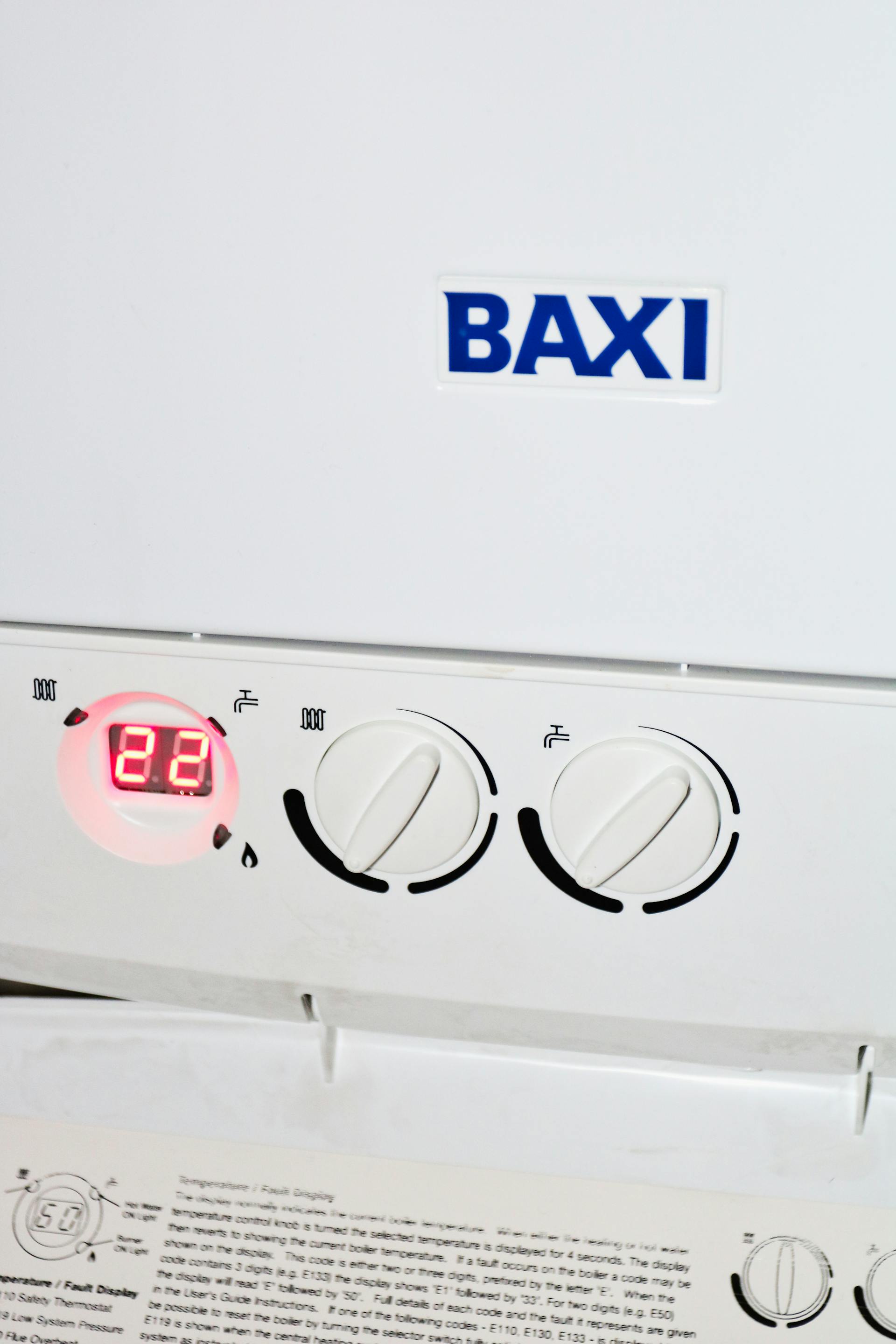
When it comes to furnace repair in high-rise condo buildings, our technicians bring specialized expertise. Furnaces are rarely found in high-rises. If your high-rise unit has a forced-air system, it is likely a fan coil or heat pump unit, which we also service.
Prompt dispatch with narrow arrival windows to minimize your wait
Thorough diagnostic inspection including safety and carbon monoxide testing
Clear explanation of the issue with an upfront flat-rate repair price
Professional repair using quality parts with tested performance
Post-repair system cycling test and safety verification
A well-maintained gas furnace in NYC typically lasts 15-25 years. Factors that affect lifespan include maintenance frequency, usage intensity, installation quality, and the local environment. Furnaces in NYC that run heavily during long, cold winters may have shorter lifespans than those in milder climates. Regular annual maintenance is the single most important thing you can do to maximize your furnace's service life.
A furnace blowing cold air can be caused by a thermostat set to FAN ON instead of AUTO (which circulates unheated air between heating cycles), a dirty air filter restricting airflow and triggering the high-limit safety switch, a faulty igniter or flame sensor preventing the burner from staying lit, a malfunctioning gas valve, or a problem with the control board. Check the thermostat setting and air filter first, then call for service if the problem persists.
AFUE (Annual Fuel Utilization Efficiency) measures how efficiently a furnace converts fuel to heat. The current federal minimum is 80% AFUE, but we recommend 90% or higher for NYC installations. High-efficiency condensing furnaces achieve 95-98% AFUE, meaning virtually all the fuel you pay for is converted to heat. The higher upfront cost of a condensing furnace is typically recovered within 5-8 years through lower gas bills.
Warning signs include a yellow or flickering burner flame (should be steady blue), soot buildup around the furnace, a strong unusual odor when the furnace runs, frequent headaches or flu-like symptoms when the furnace is operating (possible carbon monoxide exposure), visible cracks or corrosion on the heat exchanger, and water pooling at the base of the furnace. A cracked heat exchanger is a serious safety hazard and requires immediate professional inspection.
Consider replacement if your furnace is over 15 years old, has a cracked heat exchanger, requires repairs costing more than 50% of a new unit, or has an AFUE rating below 80%. A new high-efficiency furnace will provide better comfort, lower energy bills, and improved safety. We provide free estimates for furnace replacement and can help you weigh the repair vs. replace decision for your specific situation.
A loud bang or boom at startup is usually caused by delayed ignition, where gas builds up in the combustion chamber before igniting all at once. This is a potentially dangerous condition that can crack the heat exchanger over time. Common causes include a dirty or misaligned burner, a weak igniter, or gas pressure issues. This should be addressed promptly by a professional to prevent damage and safety hazards.
In NYC, we recommend checking furnace filters monthly and replacing them every 1-3 months during the heating season. Factors that may require more frequent replacement include pets, nearby construction, high occupancy, and older buildings with more dust. A clogged filter reduces efficiency, increases energy costs, strains the blower motor, and can cause the furnace to overheat and shut down.
Two-stage and variable-speed furnaces provide significantly better comfort than single-stage models by running at lower output most of the time and ramping up only when needed. Benefits include more even temperatures, quieter operation, better humidity control, and improved energy efficiency. They cost more upfront but provide noticeable comfort improvements and lower operating costs. For NYC homes where consistent comfort is a priority, they are an excellent investment.
Fill out the form below and we'll get back to you within 1 hour during business hours.