Heat Pump Repair in New York City
Restore your year-round comfort system fast
Restore your year-round comfort system fast
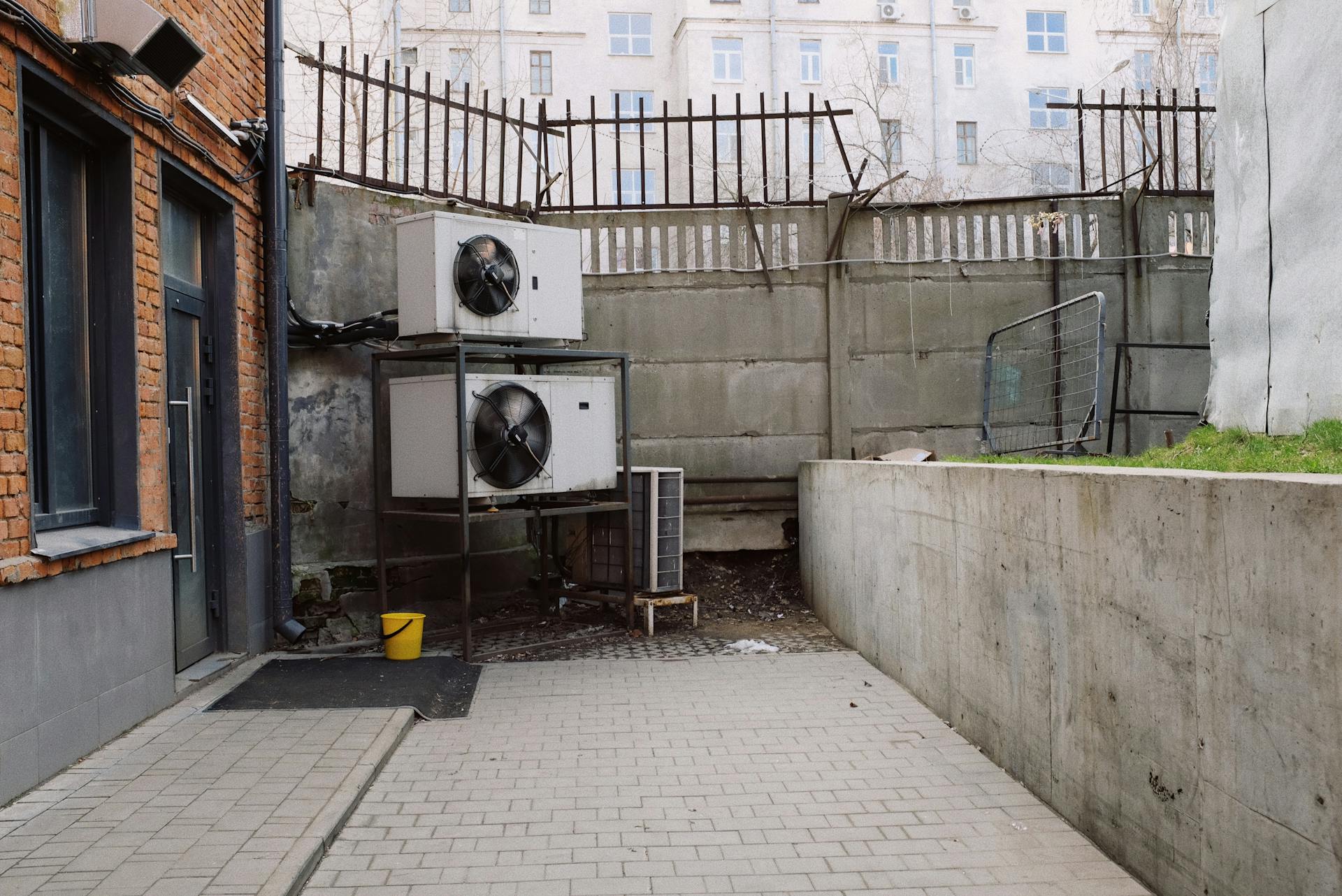
Heat pumps are increasingly popular in New York City, and as more buildings adopt this technology for both heating and cooling, the demand for skilled heat pump repair has grown substantially. Heat pump repair requires a different skill set than traditional furnace or boiler repair because heat pumps operate in both directions—extracting heat from outdoor air to warm your home in winter and reversing the cycle to cool it in summer. This dual functionality means there are more components that can fail, and the diagnostic process must consider the reversing valve, defrost controls, auxiliary heating elements, and refrigerant management systems in addition to standard compressor, fan, and electrical components. NYC's climate poses specific challenges for heat pumps. During winter, the outdoor unit must run defrost cycles to clear ice buildup from the coil, and a malfunctioning defrost board is one of the most common heat pump failures in the city. Summer operation in NYC's humid conditions can cause condensate management issues, especially in apartment installations where drain routing is constrained. Variable refrigerant flow systems in larger buildings add complexity with their multi-zone controls and networked communication between indoor and outdoor units. Our technicians are factory-trained on major heat pump brands including Mitsubishi, Daikin, Fujitsu, LG, Carrier, and Trane. We carry specialized diagnostic equipment for inverter-driven compressors and VRF systems, and we stock common parts to resolve most repairs in a single visit. Whether your heat pump is not heating, not cooling, making unusual noises, or displaying error codes, we can diagnose and fix the problem efficiently.
Diagnostic evaluation of both indoor and outdoor heat pump components
Refrigerant pressure testing and electrical measurements to pinpoint the failure
Transparent repair estimate with clear explanation of the problem
Professional repair using OEM or equivalent parts with proper refrigerant handling
Full system test in both heating and cooling modes to verify the repair
Typical cost for Heat Pump Repair in NYC: $200 - $700. Actual cost depends on your building type, system size, and complexity. Get a free estimate for your specific situation.
Pre war apartment: Heat pump repairs in pre-war buildings often involve ductless mini-splits. Common issues include drainage problems from constrained condensate routing and communication errors between indoor and outdoor units.
High rise condo: High-rise heat pump repairs may involve VRF systems with complex networking between multiple zones. We troubleshoot communication failures, refrigerant issues, and control board problems in these sophisticated systems.
Brownstone: Brownstone heat pump repairs cover ducted and ductless systems. Multi-zone configurations require checking zone-by-zone performance and verifying outdoor unit capacity matches total indoor demand.
Commercial building: Commercial heat pump repair demands fast turnaround. We service rooftop heat pumps, VRF systems, and water-source heat pumps used in commercial buildings across NYC.
"Our building's boiler died on the coldest night of the year and these guys had a technician at our door within an hour. He diagnosed the problem, had the part on his truck, and had us back up and running before midnight. Saved our entire building from a miserable night."
"Had three Mitsubishi mini-splits installed in our Park Slope brownstone. The team was incredibly professional — they protected our floors, ran the lines neatly through the walls, and left the place cleaner than they found it. The units are whisper quiet and our first summer electric bill was actually lower than when we had window units."
"We manage 12 buildings in the Bronx and have been using this company for all our HVAC maintenance for three years. They keep our boilers running, handle all the DOB inspections, and their emergency response has been reliable every single time. Having one company that knows all our buildings has simplified our operations enormously."
High heating bills in NYC are often caused by an inefficient or aging boiler/furnace, poor insulation and air leaks around windows and doors, an incorrectly set or malfunctioning thermostat, unbalanced heat distribution requiring some rooms to overheat to warm others, or heating a space that is losing heat through uninsulated walls and ceilings. A professional energy assessment can identify the specific causes and recommend cost-effective solutions.
For energy efficiency, we recommend 68 degrees when you are home and awake, and 62-65 degrees when sleeping or away. Every degree you lower the thermostat below 68 can save approximately 3% on heating costs. However, NYC landlords are legally required to maintain minimum temperatures of 68 degrees during the day and 62 degrees at night during the heating season (October 1 through May 31).
The best heating system depends on your building type. For brownstones and multi-family buildings, high-efficiency condensing gas boilers with hot water radiators are a popular choice. For apartments without central heating infrastructure, ductless mini-split heat pumps provide efficient electric heating. For new construction, heat pump systems are increasingly favored for their efficiency and alignment with NYC's emission reduction goals under Local Law 97.
Converting from oil to gas typically reduces fuel costs by 20-40%, eliminates the need for oil delivery and storage tanks, and reduces emissions. NYC has been phasing out heavier heating oils, making conversion increasingly necessary. The upfront cost of conversion (typically $5,000-$15,000 depending on scope) is usually recovered through fuel savings within a few years. We can evaluate your specific situation and provide a detailed cost-benefit analysis.
Uneven heating is one of the most common complaints in NYC buildings. Causes include air trapped in radiators (needs bleeding), malfunctioning zone valves, unbalanced system design, heat loss through poorly insulated exterior walls, and stack effect in tall buildings pushing heat to upper floors. Thermostatic radiator valves, zone valve repairs, and system balancing can significantly improve comfort distribution.
Signs that your heating system may need replacement include: the system is over 20 years old, repair costs are becoming frequent and increasing, your heating bills are rising despite normal usage, the system makes unusual noises, some rooms are difficult to heat, or you notice rust, cracks, or corrosion on the equipment. If you are experiencing multiple signs, a professional evaluation can determine if repair or replacement is the better option.
A heat pump moves heat from one place to another rather than generating it through combustion. Modern cold-climate heat pumps work efficiently even at NYC's winter temperatures, with some models operating effectively down to -13 degrees Fahrenheit. Heat pumps provide both heating and cooling from a single system and use only electricity, making them a key technology for meeting NYC's emission reduction goals. They are an excellent option for both residential and commercial applications.
Banging or clanking radiators are common in NYC's steam-heated buildings. The noise, called water hammer, occurs when steam meets trapped water in the pipes. Common causes include an improperly pitched radiator (should tilt slightly toward the supply valve), a failed steam trap allowing condensate to accumulate, a blocked air vent preventing proper steam flow, or pipes that have sagged over time. Adjusting the radiator pitch and replacing air vents often resolves the issue.
Radiant floor heating provides exceptional comfort with even heat distribution and no noise. It works well in NYC apartments when installed during a renovation, particularly in bathrooms and kitchens. Hydronic (water-based) systems are more efficient for whole-home heating, while electric radiant mats work well for individual rooms. The main drawback is the need to access and modify the floor structure, which can be expensive and complex in existing buildings.
Before heating season, your system should receive a professional tune-up that includes cleaning the burner assembly, checking the heat exchanger for cracks, testing all safety controls, cleaning or replacing the filter, checking gas pressure and combustion efficiency, inspecting the flue and venting, and for hot water systems, bleeding radiators and checking the expansion tank. This annual service prevents mid-winter breakdowns and ensures safe, efficient operation.
Fill out the form below and we'll get back to you within 1 hour during business hours.